Category: Blog Post

  • We Taught AI How to Use Rotunda (And Itโ€™s Kind of Amazing)

    You know Rotunda. You love Rotunda. Youโ€™ve clipped that perfect congressional soundbite at 2 AM for your morning memo.

    But what if instead of logging in and searching, you could justโ€ฆ ask?

    Meet Rotunda MCP: Rotunda, But Make It Conversational

    MCP (Model Context Protocol) is an open standard that lets AI models securely connect to and interact with external tools or data sources in real time โ€“ basically a fancy way of saying โ€œyour AI assistant can now talk directly to Rotunda.โ€

    Think of it like giving ChatGPT, Claude or Raptor AI a backstage pass to every congressional hearing.

    What This Actually Means for You:

    Using Rotunda can now be as simple as:

    โ€“ โ€œHey ChatGPT, what did they say about AI regulation in yesterdayโ€™s hearing?โ€
    โ€“ Gets instant answer with citations

    The Cool Stuff You Can Do:

    โ€“ Natural language deep searches โ€“ Run multiple searches, pull the best bits and synthesize
    โ€“ Instant alert setup โ€“ โ€œTell me when anyone mentions cryptocurrencyโ€ โ†’ Done.
    โ€“ Zero-click clipping โ€“ โ€œGet me that clip where Senator X grilled the witnessโ€ โ†’ Hereโ€™s your link.
    โ€“ Schedule checking โ€“ โ€œWhat hearings are happening tomorrow?โ€ โ†’ Full list, ready to go.
    โ€“ Cross-hearing analysis โ€“ โ€œCompare what they said about chips last month vs. this weekโ€ โ†’ Actually possible now.

    Use Cases:

    โ€œShow me every time rare earths were mentioned in the last 30 daysโ€

    โ€œAlert me when anyone discusses Supreme Court ethics reformโ€

     โ€œWhatโ€™s on the schedule for Senate Finance next week?โ€

     โ€œGet me a clip of that exchange on AI safetyโ€

    Why This Is a Big Deal:

    We all love Rotundaโ€™s search. But sometimes youโ€™re in the middle of drafting a memo, or prepping for a call, or explaining something to your boss, and you just need an answer โ€” not a treasure hunt.

    MCP means Rotundaโ€™s entire database of transcripts, alerts, clips, and schedules is now accessible through conversational AI. Itโ€™s like having a congressional monitoring expert sitting next to your AI assistant.

    The Technical Bit (For the Nerds):

    MCP is an open protocol that lets AI models securely connect to external tools. We built Rotunda MCP so your AI can search our transcript database, manage your alert queries (we call them โ€œswarmsโ€ because theyโ€™re always buzzing), generate video clips, and check hearing schedules โ€” all without you leaving your AI chat.

    The Not-Technical Bit (For Everyone Else):

    Your AI can now read congressional transcripts.

    Try It Out:

    If youโ€™re using Claude or another MCP-compatible AI, you can plug in Rotunda MCP and start asking questions. Itโ€™s like giving your already-powerful AI a direct line to Capitol Hill.


    Questions weโ€™ve gotten:

    โ€œDoes this replace the Rotunda platform?โ€
     Nope! Itโ€™s an add-on. You can still use Rotunda the normal way. MCP just gives you another option.

    โ€œDo I need to be a developer?โ€
     Nope! If you can use ChatGPT, you can use this.

    โ€œWill this make me look cool in meetings?โ€
     We canโ€™t make promises, but being able to instantly pull up what Congress said 20 minutes ago doesnโ€™t hurt.


    Learn more: https://rotunda.bullpenstrategygroup.com/features/mcp

  • Beyond the Blueprint: How Rotunda Reimagines Public Affairs Intelligence

    Yesterday, I explored how many organizations are falling into what I call the โ€œearly-stage trapโ€ of Al adoption-implementing new technology while clinging to old operational frameworks. Like the factory owners of the early 1900s who installed electric motors but maintained steam-era factory layouts, todayโ€™s public affairs firms often deploy Al tools that merely automate existing processes rather than reimagining whatโ€™s possible.

    At Bullpen Strategy Group, weโ€™ve taken this historical lesson to heart. Rather than simply augmenting our current capabilities with AI, we asked ourselves a more fundamental question: What if we could completely transform how information is gathered, analyzed, and utilized?

    From Constraint to Opportunity

    For decades, the monitoring of congressional committee hearings has followed a predictable pattern. Organizations either dedicate significant staff resources to manually track hearings or rely on expensive, keyword-based alert systems that miss critical context and nuance. The result is a persistent intelligence gap-prohibitive costs, delayed insights, and missed opportunities.

    This constraint became our opportunity. Rather than accepting the traditional tradeoffs between comprehensive coverage and manageable costs, we envisioned a solution that eliminates this false choice entirely.

    Introducing Rotunda: Intelligence Reimagined

    Today, weโ€™re proud to announce BSG: Rotunda-a next-generation intelligence platform that fundamentally rethinks how organizations monitor and analyze congressional activity.

    Rotunda isnโ€™t simply an automated version of traditional hearing monitoring. It represents a complete reimagining of the intelligence gathering process, powered by our proprietary AI Swarm technology-an autonomous cluster of AI agents that can simultaneously monitor multiple data feeds with unprecedented precision and insight.

    Unlike conventional solutions that rely on rigid keyword matching, Rotunda understands context, identifies significant moments, and delivers actionable intelligence in real-time. Itโ€™s the difference between having dozens of analysts watching every hearing and having something even better-a system that never misses a beat, never needs a break, and continuously improves its understanding of what matters to your organization.

    Breaking Through the Early-Stage Trap

    How did we escape the early-stage Al trap? By focusing on three principles that challenge conventional thinking:

    Reimagining the Possible

    Instead of asking โ€œHow can Al make our current process better?โ€ we asked โ€œWhat would be possible if the traditional constraints of legislative monitoring didnโ€™t exist?โ€ This shift in perspective led us to design a solution that doesnโ€™t just improve existing workflows-it enables entirely new capabilities that were previously unimaginable.

    With Rotunda, organizations can now track every committee hearing simultaneously, receive instant notifications when their issues are discussed, and generate comprehensive summaries without deploying a single staff member to monitoring tasks.

    Building for Domain Specialists, Not Technologists

    Many AI solutions require users to become quasi-technologists, learning new interfaces and adapting their workflows to accommodate technology limitations. We flipped this approach, designing Rotunda to seamlessly integrate with how public affairs professionals actually work.

    The platform delivers insights through familiar channels like email and Slack, offers intuitive search capabilities that donโ€™t require specialized query languages, and generates summaries that are ready to share with stakeholders-no technical expertise required.

    Creating Adaptable Intelligence, Not Rigid Automation

    Perhaps most importantly, we recognized that true intelligence isnโ€™t about rigid automation-itโ€™s about adaptability. Rotunda doesnโ€™t just follow predefined rules; it learns from user interactions, adapts to emerging priorities, and continuously refines its understanding of what matters to each organization.

    The Future of Public Affairs Intelligence

    What makes Rotunda transformative isnโ€™t just the technology-itโ€™s the reimagining of whatโ€™s possible when organizations are freed from traditional constraints.

    Public affairs teams using Rotunda are discovering that they can reallocate hundreds of hours previously spent on monitoring to high-value strategic activities.

    Legal teams are identifying relevant legislative developments they would have missed entirely. Corporate government affairs departments are providing executives with insights mere minutes after key statements are made in committee hearings, rather than days later.

    This is the true promise of Al in public affairs-not just making existing processes marginally better, but creating entirely new capabilities that transform how organizations operate.

    Building Your Own Future

    As you consider your organizationโ€™s approach to AI adoption, I encourage you to look beyond incremental improvements. Ask yourself: What constraints have we accepted as inevitable? What would be possible if those constraints were eliminated entirely?

    The most significant opportunities often lie not in automating what you already do, but in reimagining what you could do if traditional limitations no longer applied.

    At Bullpen Strategy Group, weโ€™re committed to applying this mindset not just to our own operations, but to developing solutions that help all our clients escape the early-stage trap and realize the transformative potential of Al.

    To learn more about how Rotunda can transform your approach to intelligence, visit our website or contact us directly. The future of public affairs intelligence has arrived-and it looks nothing like the past.

  • Full Steam Ahead: Escaping AI’s Early Stage Trap

    For many in the public affairs industry, Artificial Intelligence has rapidly become both a promise and a puzzle. Just as investors at the turn of the millennium saw web technology as a universal disruptor, todayโ€™s public affairs professionals increasingly hear that AI will revolutionize their work. However in practice, for many the expected surge in productivity and innovation has been more elusive than anticipated.

    To understand why – we must go back not 20 years, but 120 years.

    In the late 19th century, despite clear benefits and the revolutionary potential of electric motors, American factories remained overwhelmingly reliant on steam power well into the early 1900s. Early adopters replaced massive steam engines with electric motors, only to find themselves disappointed. Costs didnโ€™t decrease significantly, and productivity gains were marginal. The underlying reason, however, was not that electricity was overrated but that factory owners had not fully grasped how deeply they needed to reimagine their entire operation.

    Steam-powered factories were rigid structures, arranged around the logistical necessity of a massive, central engine and sprawling, cumbersome shafts transmitting power across workspaces. Workers operated at the rhythm of machinery, not their own productivity. Electricity, by contrast, allowed flexibility, autonomy, and a completely new approach to manufacturingโ€”one in which the layout, architecture, workforce management, and production processes themselves had to change entirely. It wasnโ€™t until factory owners embraced the broader implications of electricityโ€”rethinking their operational logicโ€”that transformative productivity finally emerged, decades later.

    Today, the public affairs and communications sector stands at a similar crossroads with AI. Many firms may be investing heavily in AI technologies and platforms (or talking about doing so at leastโ€ฆ), but they limit their vision to automating or slightly enhancing current practices, often leading to modest improvements at best.

    The real power of AI in public affairs is its ability to unlock entirely new possibilitiesโ€”solutions that were previously inconceivable or prohibitively complex. AI can enable professionals to draw unprecedented insights from expansive, disparate datasets, to integrate decades of research and public information seamlessly into contemporary decision-making, and empowers even non-technical professionals to craft custom software solutions uniquely tailored to highly specialised challenges.

    AI demands more than just technological integration; it requires cultural and operational transformation.

    To unlock the transformative power of AI, public affairs professionals must be willing to be bold in assessing the foundations of how they do what they do. Organizations must champion cross-disciplinary collaboration and innovation, encouraging teams from diverse backgrounds to collaboratively imagine and implement entirely new solutions. We must become more ambitious and imaginative in defining and tackling challenges, leveraging AIโ€™s capabilities to explore possibilities once considered too complex or impractical.

    The AI revolution in public affairs will similarly unfold incrementally. The firms that reap its greatest rewards will be those willing to challenge conventional wisdom, reimagine their strategic processes, and truly adapt to a radically different operational landscape. Only then will we see productivity soar, unlocking the full promise of AIโ€”a transformation that, while slower than initially expected, is certain to be profound and enduring.

  • BSG & The Upcoming โ€œSuper Bowl of Taxโ€๏ฟผ๏ฟผ

    For much of the last year, the team at Bullpen Strategy Group has been working with our clients to prepare for the โ€œSuper Bowl of Taxโ€ โ€“ Washingtonโ€™s nickname for the coming 2025 debate over extending President Trumpโ€™s 2017 tax cut legislation, which largely sunsets this year. 

    Trillions in federal policymaking are on the table with diverse and competing interests at stake. Strategic, aggressive public affairs and communications campaigns can provide the decisive edge in persuading lawmakers and influencing key officials.

    BSG is prepared to help you achieve your policy objectives this year with a range of services including:

    – Strategic Guidance and Project Management
    – Communications and Media Relations
    – Legislative Issue Tracking and Media Intelligence
    – Actionable Research and Analysis
    – National, State, and Local Grassroots and Grasstops Organizing
    – Targeted Digital Campaigns and Social Media Management
    – Polling and Focus Group Testing

    The BSG team has extensive experience working on tax policyโ€”inside and outside of government. We have worked on Capitol Hill, including on committees that wrote the 2017 tax reform bill, and with key players in the administration. In this new political era, we can help translate your policy goals into action that reaches and resonates with decisionmakers.

    Weโ€™d love to talk about how we can support your cause. Please reach out to me atย mzona@bullpenstrategygroup.com.

  • BSG Books 2024: A sampling of our favorite books from 2024

    We recently asked the BSG staff for the books they enjoyed most in 2024. We were impressed by the diversity and range of selections they chose โ€“ a mix of fiction, history, social science, and pop culture. The list below might help you find something great to pick up as we head into 2025. Happy Holidays!

    The Man Who Saw Seconds โ€“ Alexander Boldizar

    โ€œA political thriller about a man who can see five seconds into the future. The book follows the character after a chance encounter with the police escalates into a worldwide manhunt. This book takes an interesting premise and explores some of its real life implications from a national security perspective. Conversations between the main character and his inner circle of confidants also provide opportunities for the author to discuss larger ideas like fate and agency. I found this to be a great vacation read that gets right into the action and doesn’t slow down until the final page.โ€ 

    โ€“ Joe Chaudoin, Managing Director

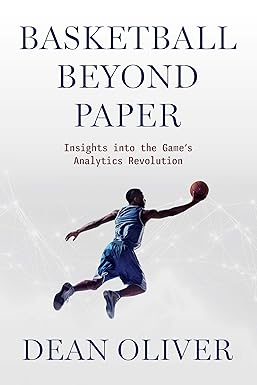
    Basketball beyond Paper: Insights into the Game’s Analytics Revolution โ€“ Dean Oliver

    โ€œBasketball beyond Paper chronicles how analytics have changed the game of basketball. Gone are the days of chewing up the shot clock, taking long contested two point jumpers, and blindly creating post ups. Teams now embrace free flowing and fast paced offense which has spurred the most entertaining product the NBA has ever produced. Dean Oliver describes how not only how the league has changed, but how individual players have embraced analytics to take advantage of this new era.โ€

    โ€“ Joe Gierut, Vice President

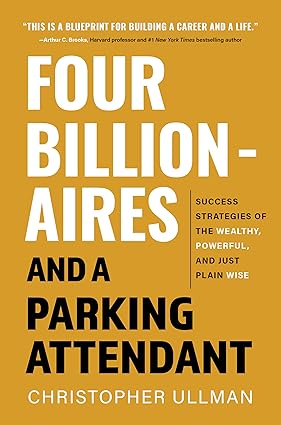
    Four Billionaires and a Parking Attendant: Success Strategies of the Wealthy, Powerful, and Just Plain Wise โ€“ Christopher Ullman

    โ€œChris Ullman, a seasoned communications professional, guides the reader through his career in both the public and private sectors, highlighting some of the people he’s encountered, from all walks of life, that have shaped his views on what it takes to achieve success and happiness. Sharing anecdotal stories along the way, he takes this wisdom and breaks it down into eight strategies that could be implemented by anyone seeking to improve themselves and get the most out of life.โ€

    โ€“ Rob Simpson, Vice President

    Afghanistan: A Cultural and Political History โ€“ Thomas Barfield

    โ€œI found ‘Afghanistan: A Cultural and Political History’ fascinating for its detailed exploration of how tribal dynamics shaped the country’s history and its impact on contemporary political challenges. The book provided nuanced insights into Afghanistan’s relationships with neighboring powers and the influence of global geopolitics, offering a well-rounded understanding of its cultural richness and political complexity.โ€

    โ€“ Jared Beard, Senior Director

    Grant โ€“  Ron Chernow

    โ€œRon Chernow’s biography of President Ulysses S. Grant paints a picture of a truly relatable person, who rose above deep personal, professional, and familial challenges and, with lots of help, forged a path forward for the country after it was ripped apart during the Civil War. To say nothing of his military genius in commanding the entire Union force after a long period of mismanagement, Grant’s unwavering commitment to civil rights in the face of both hostility and apathy was truly remarkable. Chernow’s account is worth the time to learn about such an extraordinary figure in U.S. history.โ€

    โ€“ Andrew Muchnick, Senior Director

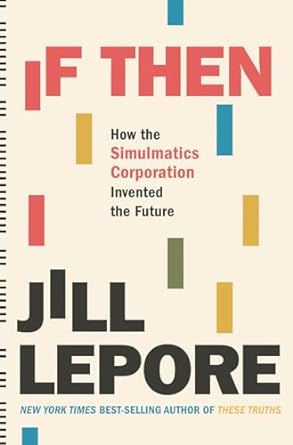
    If Then: How the Simulmatics Corporation Invented the Future โ€“ Jill Lepore 

    โ€œAn interesting read on the advent of predictive modeling and all the data science that led us to the current landscape of polling.โ€ 

    โ€“ George Basile, Senior Associate

    The Soccer War โ€“ Ryszard Kapuล›ciล„ski

    โ€œChronicles how a soccer match, coupled with other events that transpired between Honduras and El Salvador, pushed tensions over the edge, leading to war.โ€

    โ€“ Olly Meadows, Associate
  • BSGโ€™s Live Event Monitoring Capability

    With Bullpen Strategy Groupโ€™s (BSG) powerful live event monitoring capability, capturing the events that matter most is intuitive, seamless, and simplified. 

    Live events rule the news cycle. From congressional hearings to TV interview to livestreams, clients need to have the ability to monitor, capture, and digest fast-moving developments to maintain a competitive advantage.

    Letโ€™s look at how BSGโ€™s three-phase process keeps you in-the-know:

    Before The Event

    Our live event monitoring offering begins during the onboarding process, where you and your account manager can identify upcoming events for the team to monitor.

    Before (or even during) a live event, you can work with your account lead to determine your priorities for the event. We can home in on certain keywords or phrases, a specific line of inquiry, questions and answers from specific participants, or anything else important to your needs. 

    During The Event

    With priorities established, now itโ€™s time for the big show! As the event stream begins, you and your team will receive a โ€œHappening Nowโ€ alert from your BSG Dashboard, containing all the relevant information for the event, including a link to view the event stream and a live transcript via BSGโ€™s in-house Caption platform.

    As the event progresses, in accordance with your priorities, BSG will send responsive real-time alerts containing video clips and matching transcripts, as well as social media and broadcast commentary. 

    After The Event

    Once the event concludes, BSG can send a full, downloadable video and matching transcript to easily go back and identify key moments. The team will continue to monitor for follow-up coverage in the hours and days after the event. 

    BSGโ€™s live event monitoring capability, powered by its advanced tech stack and human experts, represents the most comprehensive asset on the market designed to keep you informed and on top of the ever-growing sea of important live events. 

  • BSG Books – Summer 2024: Our Recommendations

    We recently asked the BSG staff for the books they would recommend adding to anyone’s summer reading list. We were impressed by the diversity and range of selections they chose โ€“ a mix of fiction, history, social science, and pop culture. The list below might help you find something great to pick up this summer season.

    Normandy ’44: D-Day and the Epic 77-Day Battle for France – James Holland

    โ€œHolland does a great job of telling the full story of Operation OVERLORD, from its planning to execution and the subsequent 76-day Battle for Normandy by relating personal stories and eyewitness accounts woven together into a very engaging narrative. It was recommended to me by a military historian friend as the best account of D-Day to read as a non-military scholar. Itโ€™s a perfect read as we reflect on the 80th anniversary of D-Day.โ€ 

    โ€“ Beth Hitchcock, Vice President

    Demon Copperhead – Barbara Kingsolver

    โ€œDemon Copperhead is probably the best book I’ve read all year. A modern take on David Copperfield — but set in Appalachia at the height of the opioid epidemic. Demon Copperhead examines generational poverty and how societal and institutional failures allow the cycle of poverty, abuse, and addiction to continue. The writing is both witty and heartbreaking. Impossible to put down.โ€ 

    โ€“ Valerie Chicola, Senior Director

    There’s Always This Year: On Basketball and Ascension – Hanif Abdurraqib

    โ€œThis is about Abdurraqib’s coming of age in Columbus, OH during the rise of Lebron James and how we view sports in the context of larger cultural narratives.โ€ 

    โ€“ George Basile, Senior Associate

    The Wager: A Tale of Shipwreck, Mutiny and Murder – David Grann

    โ€œI found myself tearing through the book like it was fiction, only to constantly remind myself the harrowing, and sometimes unbelievable, narrative I was reading was a true story. Grann does a great job presenting the account in a balanced manner, no mean feat given the events covered are nearly three centuries old, and the sources on which he draws regularly conflict. This is a perfect summer readโ€ 

    โ€“ Andrew Muchnick, Senior Director

    My Effin’ Life – Geddy Lee

    โ€œAs a die-hard fan of the band RUSH, bassist Geddy Lee’s long awaited memoir was already a must read. Setting this book apart from the usual rock-n-roll biography is the harrowing account of his parents’ struggle to survive the Holocaust that serves as a reminder to readers about what happens when fascism rears its ugly head.โ€ 

    โ€“ Jared Wheeler, Vice President, Look Ahead Strategies

    The Right Call: What Sports Teach Us About Work and Life – Sally Jenkins

    โ€œWritten by one of my favorite sports columnists, Sally Jenkins examines the seven character traits shared by all world class athletes, and challenges the reader to implore these traits to be better performers at work and in life. Greatness does not happen by mistake, but rather, it is cultivated through deliberate decision and actions.โ€ 

    โ€“ Rob Simpson, Vice President
  • Corporate Communications in an Era of โ€œGlobal Economic Chaosโ€

    Words matter, and in todayโ€™s challenging, dynamic world, strong and clear communications are key to the success of a campaign, brand, or company.

    Effective communications skills continue to be in high demand, even in an age of AI, according to data compiled by LinkedIn and reported by Axios. According to their data, 9 out of 10 global executives agree that these โ€œsoft skillsโ€ are more valuable to their organizations than ever before.

    “Human skills, like communication, leadership and teamwork are particularly critical in this moment,” says LinkedIn Learning global head of content strategy, Dan Brodnitz. “With a rise in remote and hybrid work, and now AI, the need for human connection and people skills have become even more important as companies are looking for talent that can step up and create innovative, agile, collaborative teams.”

    Chuck Robbins, chair and CEO of Cisco, and new chair of the Business Roundtable, recently sat down with Axios, with the overarching message that CEOs now believe global economic chaos is the new normal, and that all these situations must be dealt with head-on:

    “There’s a generation of CEOs, with everything going on, that probably would have said, ‘We’re just going to pause everything until things get back to normal,’” Robbins said. But “we think this is normal.”

    At Cisco, Robbins is already planning for the companyโ€™s agenda after the presidential election, regardless of who is occupying the White House. Robbins is also keenly aware of the fact that companies are more trusted than government and is looking to leverage that strength for good, adding that most Americans โ€œrealize strong companies in the United States do great things for this country.โ€

    At BSG, our team of communicators spent years honing their skills on top political campaigns, the halls of Congress, and corporate board rooms so they can deliver high-stakes media engagements on behalf of our clients today. We work to develop and execute strategical and tactical communications plans, look for angles to shape the public debate, and turn persuasive messages into winning results.

    Learn more about BSGโ€™s communications practice here.

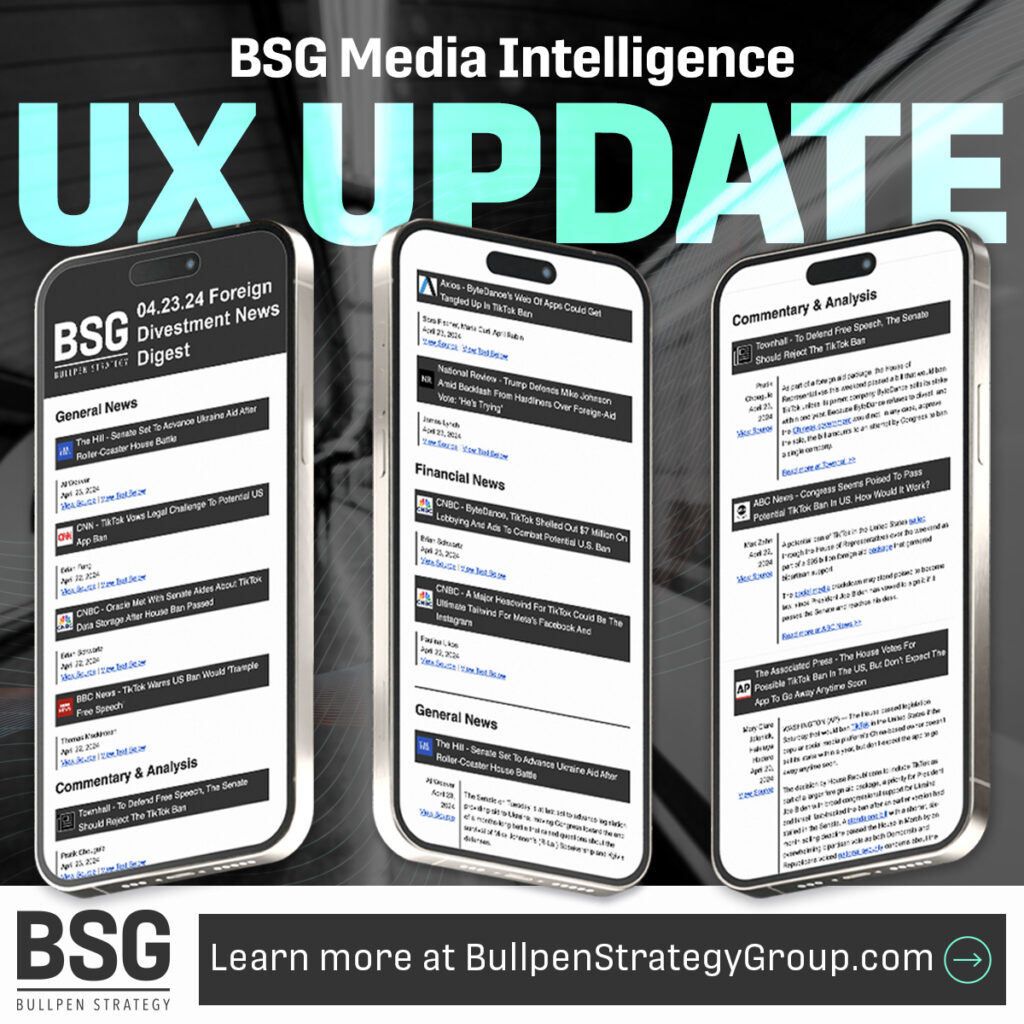
  • BSG Media Intelligence: User Experience Update

    We’re excited to roll out our updated and refreshed user experience across BSGโ€™s Media Intelligence product suite.

    The new design is engineered to enhance your reading experience! It merges a sleek, user-friendly layout with the comprehensive, timely data you’ve come to expect from BSG, ensuring you get the most out of every report.

    Our new design makes complex information more digestible, translating into quicker insights and better decision-making. Whether it’s the latest breaking news, commentary or analysis, our reports provide the clarity you need to stay informed and ahead of the curve.

    Thank you for choosing us as your trusted partner in Media Intelligence. We look forward to continuing to serve you with ever-greater clarity and precision.

    Interested in learning more? Get in touch at MediaIntel@bullpenstrategygroup.com.

  • Financial Disclosures Beyond Tax Day

    Taxes and financial information are currently on the minds of many Americans, as April 15 typically marks the day that individual income tax returns need to be filed with the Internal Revenue Service (IRS). While individual tax records are usually private, there are numerous financial and tax-related filings that are publicly available.

    Property Tax Records, normally publicly available on local county websites, provide a glimpse into the value assessments and tax contributions associated with an individualโ€™s or companyโ€™s real estate ownership. Often, these records also provide information about tax payment history, including late (or non) payments, fines, and other fees.

    Form 990s โ€“ the IRS tax returns filed annually by 501(c) nonprofits โ€“ provide critical information for those interested in the financial workings of these organizations. These documents, which are required to be publicly disclosed upon request, offer a limited view into a nonprofitโ€™s funding streams, board composition, independent contractor payments, assets, and investments held, among other key data.

    Personal Financial Disclosures highlight the assets, liabilities, and income sources for many appointed and elected officials at the federal and state levels. While some political figures occasionally choose to preemptively disclose their tax returns, federally there are asset disclosure requirements that show investments held by these officials and a general value range of the asset. Additionally, officials are required to file reports whenever assets are bought and sold, providing insights into trading habits and in some cases, drawing accusations of insider trading.

    Field Research is also a useful practice employed by Kyber Research, a subsidiary of BSG, to obtain financial documents that are publicly available, but not searchable online. With a network of analysts across the country, Kyber can deploy resources to local courthouses and other government facilities to obtain additional property records, deeds, and titles.

    These are just a few of the many sources and datastreams our research team leverages to provide strategic intelligence and insights to our clients.

    To learn more about all our research offerings, including our BSG Research Stack, with an expert team of 15 analysts across two continents, our utilization of 200+ unique databases, and proprietary datasets and solutions, email us at contact@bullpenstrategygroup.com.